
 View all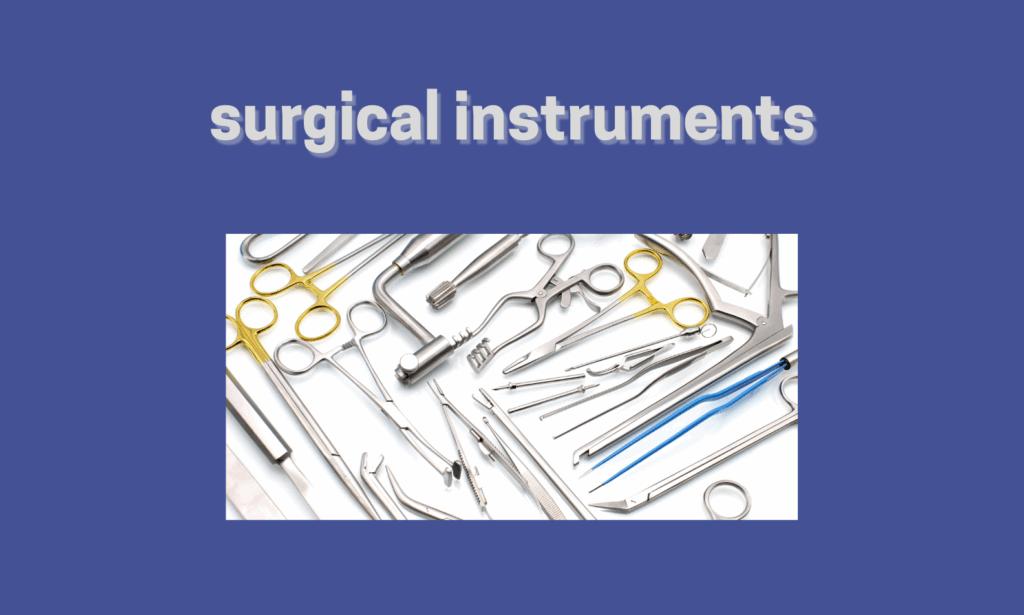

How to Choose the Right Surgical Instruments Manufacturer for Your Hospital
In the medical field, surgical instruments are vital tools that ensure safe and successful operations. With numerous manufacturers available, selecting the best one can be daunting for healthcare professionals. This article highlights the importance of choosing a reliable surgical instrument manufacturer for exceptional healthcare services.
The Significance of Quality Surgical Instruments
High-quality instruments directly impact patient safety, regulatory compliance, and overall operational success. They minimize surgical risks, yield positive patient outcomes, and adhere to international standards like ISO 13485 and CE certifications. Durable and precise instruments not only last longer but also deliver superior surgical results.
Leading Surgical Instrument Manufacturers in Pakistan
Pakistan’s surgical instrument industry, particularly in Sialkot, has gained global recognition. Some prominent manufacturers
Global Competitors in the Surgical Industry
International market leaders include:
- Medtronic: Offers a wide range of medical technologies.
- Johnson & Johnson: Provides extensive surgical solutions worldwide.
- Stryker Corporation: Known for advanced surgical innovations.
Key Factors to Consider When Choosing a Manufacturer
When selecting a surgical instrument supplier, consider:
- Certifications: Ensure manufacturers hold ISO and CE certifications.
- Product Range: Verify the variety of instruments meets specific surgical needs.
- Customization: Look for companies offering tailored solutions.
- After-Sales Support: Check for customer service and warranty options.
The Surgical Instrument Manufacturing Process
The manufacturing process involves:
- Raw Material Selection: High-quality materials like stainless steel or titanium.
- Design and Prototyping: Collaborative design with medical professionals.
- Fabrication: Advanced technologies like CNC machine tooling.
- Heat Treatment: Optimizing tool performance.
- Surface Finishing: Enhancing product quality.
- Quality Control: Stringent checks ensure high-quality products.
Comparing Surgical Instrument Manufacturers
Understand the different types of manufacturers:
- Large-scale Manufacturers: Global presence and extensive product ranges.
- Specialized Manufacturers: Expertise in specific medical fields.
- Local Manufacturers: Personalized services and quick response times.
Innovation in Surgical Instrument Manufacturing
Future advancements include:
- Minimally invasive equipment.
- Smart technology for precision and data collection.
- Ergonomic designs for comfort and efficiency.
- New materials for enhanced durability.
Partnerships between Hospitals and Manufacturers
Strong partnerships benefit both parties:
- Customized solutions for specific hospital needs.
- Continuous training and support.
- Co-research and development of new solutions.
- Improved product flow and distribution.
Assess Surgical Needs
- Identify Specialties: Consider the type of surgeries performed—general surgery, orthopedics, cardiovascular, neurosurgery, etc.
- Frequency of Use: Classify instruments by high, medium, and low frequency to prioritize quality vs. quantity.
- Standard Sets: Determine which surgical sets are required (e.g., laparotomy, C-section, minor set).
Consult Surgical Team
- Surgeon Input: Always involve senior surgeons to specify preferences based on ergonomics and experience.
- Nursing Staff Feedback: Nurses can provide insight on instrument handling, cleaning, and maintenance.
Quality and Material
- Material Grade: Choose surgical-grade stainless steel (usually 304 or 316) or titanium for high-durability instruments.
- Rust & Corrosion Resistance: Ensure the instrument is resistant to corrosion, especially for reusable tools.
- ISO & CE Certification: Only select instruments that comply with recognized medical device standards.
KEY CONSIDERATIONS:
- Procedure-Specific Instruments: Identify instruments tailored to the specific surgical procedure.
- Surgeon Preferences: Consider the surgeon’s familiarity and comfort with certain instruments.
- Instrument Quality: Prioritize durable, high-quality materials that withstand repeated use and sterilization.
- Ergonomic Design: Opt for instruments with comfortable grips and balanced designs to reduce fatigue.
- Regulatory Compliance: Ensure instruments meet medical standards and regulations.
- Cost-Effectiveness: Balance instrument quality with budget constraints.
Conclusion
Choosing the right surgical instrument manufacturer is crucial for hospitals. By prioritizing quality, innovation, and after-sales services, healthcare providers can partner with reliable manufacturers. Qeqi Enterprises can help you find the best surgical instrument solutions.
Best Practices:
- Research and evaluate different instrument options
- Consult with surgeons and surgical staff
- Consider instrument maintenance and sterilization requirements
- Monitor instrument performance and patient outcomes
Meta Description:
Choose the right surgical instruments for your hospital by considering procedure-specific needs, surgeon preferences, instrument quality, ergonomics, regulatory compliance, and cost-effectiveness.
